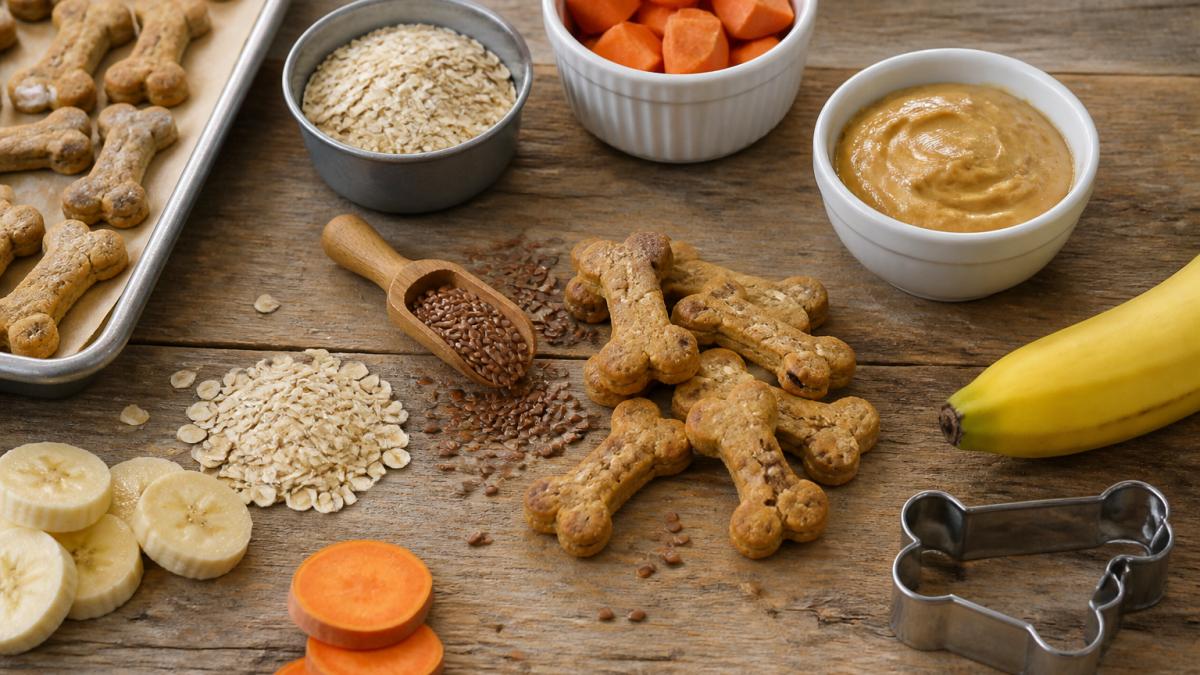
Table of Contents
- Why Sensitive Stomachs Need a Different Kind of Treat
- Quick Comparison: Best Natural Treats for Sensitive Stomachs
- What Makes Limited-Ingredient Dog Treats Work
- Single-Ingredient Dog Treats: When Simplicity Wins
- Dog Treats for Food Sensitivities: An Elimination Diet Protocol
- Homemade Treats for Dogs with Sensitive Stomachs
- Storage, Shelf Life, and Caloric Density
- Frequently Asked Questions
Last Updated: October 7, 2026
Why Sensitive Stomachs Need a Different Kind of Treat
The best natural treats for sensitive stomachs are limited-ingredient, single-protein snacks that skip the fillers and allergens most likely to trigger digestive upset. At The Dog Emporium, we bake ours in small batches with short ingredient lists you can actually read. Here’s the core idea: a treat your dog can’t tolerate isn’t a treat at all.
Dogs with sensitive stomachs often react to specific proteins, grains, or artificial additives rather than to food in general. That’s why the ingredient list matters more than the marketing on the front of the bag.
Signs Your Dog’s Digestive System Is Struggling
Watch for recurring symptoms rather than one-off incidents. Loose stools, flatulence, bloating, and occasional vomiting after treat time are the usual early signals. If these show up consistently, the digestive system is telling you something.
A common mistake is blaming the main diet when a new treat is the real culprit. Log what you feed and when symptoms appear.
How Age Changes Digestive Needs
Puppies handle new foods differently than seniors. Older dogs often produce fewer digestive enzymes, so rich or greasy treats can sit heavier. Seniors with missing teeth also need softer, breakable options.
The American Veterinary Medical Association’s pet nutrition resources notes that dietary needs shift across life stages, which is why a treat that works at two years old may not at twelve.
Quick Comparison: Best Natural Treats for Sensitive Stomachs
Every treat below is made by The Dog Emporium in small batches in Donora, Pennsylvania, with no wheat, beef, corn, soy, or chicken.
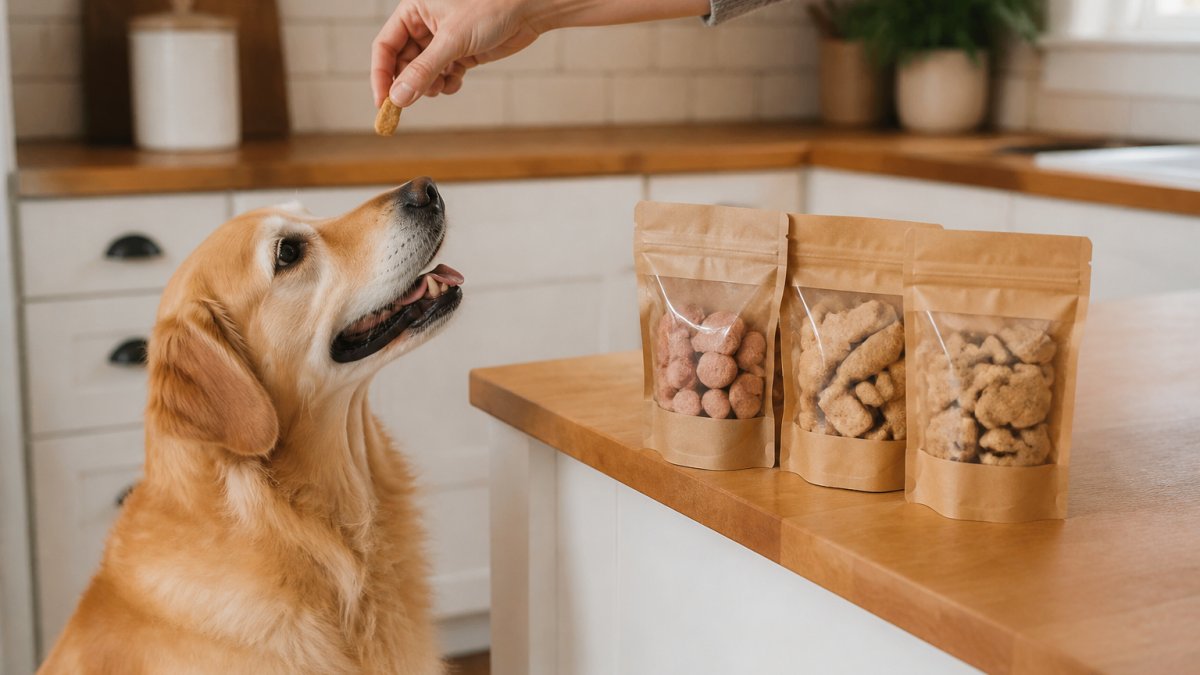
A happy golden retriever sitting in a bright kitchen, looking up at a hand offering a small biscotti treat, with several small bags of natural dog treats arranged on a wooden counter nearby
Treat | Key Ingredients | Texture | Best For |
|---|---|---|---|
Sweet Potato Bites | Oat flour, Sweet potato, parsley, cinnamon | Medium | Fresh breath and everyday treating |
Crunchy Pumpkin Biscotti | Oat flour, pumpkin, cinnamon, eggs | Crunchy | Dogs who love a real crunch |
Hi 5 Peanut Butter Banana | Oat flour, peanut butter, banana | Medium | Picky eaters and training |
Soft Peanut Butter Biscotti | Peanut butter, oat flour | Soft | Seniors and puppies |
Bacon and Egg | Real bacon, eggs, olive oil | Soft | Picky pups, breakfast flavor |
What Makes Limited-Ingredient Dog Treats Work
Limited-ingredient dog treats work because fewer ingredients mean fewer chances for a reaction. When a dog reacts badly to food, the trigger is usually one specific item. A short list makes that item easier to find.

All-Natural Sweet Potato Dog Treats for Fresh Breath and Happy Tummies (5 oz)
That’s the whole logic behind an elimination approach: control the variables.
Ingredients to Look For
Simple, recognizable ingredients do the heavy lifting. Sweet potato and pumpkin are gentle, fiber-rich bases. Oat flour avoids the gluten found in wheat. Olive oil provides fat without cheap seed oils. Parsley and cinnamon add flavor without artificial additives.
Fillers and Allergens to Avoid
The usual suspects are wheat, beef, corn, soy, and chicken, plus artificial preservatives, colors, and flavors. These are common triggers for food intolerances and add nothing your dog needs.
Single-Ingredient Dog Treats: When Simplicity Wins
Single-ingredient dog treats are the safest starting point for a dog with a truly unknown trigger. With one protein or one vegetable, you know exactly what you’re testing.
The trade-off is palatability. Some single-ingredient options bore picky dogs fast. That’s why we favor limited-ingredient recipes that stay short but still taste like something worth begging for.
Our FDA guidance on pet food ingredients and labeling explains how pet food labels are regulated, which helps you read a bag with realistic expectations.
Dog Treats for Food Sensitivities: An Elimination Diet Protocol
An elimination trial is the structured way to find what a dog actually tolerates. It takes patience, but it beats guessing.
Here’s a protocol we recommend:
- Pick one limited-ingredient treat and feed nothing else new for 2-3 weeks
- Keep the main diet unchanged so you isolate one variable
- Log every treat, meal, and symptom in a simple notebook or app
- Introduce only one new protein at a time after the trial
- Reintroduce suspected triggers one by one to confirm the cause
- Stop and call your vet if symptoms worsen or don’t improve
Homemade Treats for Dogs with Sensitive Stomachs
Homemade treats give you total control over every ingredient, the source, the quantity, and the freshness. For a dog with an unknown trigger, that control is the whole point. The trade-off is consistency: homemade batches vary, and without preservatives they don’t keep long.
Three Gentle Base Recipes
These use single, low-risk ingredients and no fillers. Keep portions small and introduce one at a time.
Plain Pumpkin Cubes
- 1 can (15 oz) plain pumpkin puree, not pumpkin pie filling, which contains sugar and spices
- 1 egg
- 1/2 cup oat flour (or finely ground rolled oats)
Mix until a stiff dough forms, spread into a greased 8×8 pan, and bake at 350°F for about 25 minutes. Cool, cut into 1/2-inch cubes, and refrigerate. Pumpkin is a gentle fiber source that most sensitive dogs tolerate well.
All-Natural Sweet Potato Dog Treats for Fresh Breath and Happy Tummies (5 oz) →
Sweet Potato Chews
- 1 large sweet potato, scrubbed
Slice into 1/4-inch rounds or planks. Bake at 250°F for 2 to 3 hours, flipping once, until leathery but not brittle. These keep longer than most homemade treats because the low, slow bake drives out moisture.
Bland Oat Biscuits
- 1 cup oat flour
- 1/2 cup plain cooked pumpkin or mashed sweet potato
- 1 egg
Roll out, cut into small rounds, and bake at 350°F for 15 to 18 minutes. This is the base recipe to build on once you know which protein your dog tolerates, add a single cooked, pureed protein only after a clean trial.
Why Consistency Matters More Than the Recipe
Homemade batches vary in moisture, which changes both texture and shelf life. A dough that’s too wet can mold within days; one baked too dry can crack teeth. Weigh ingredients when you can, and note the bake time that worked so you can repeat it.
The Practical Shortcut
If baking isn’t your thing, small-batch treats made with the same short-list philosophy are the shortcut. Our Hi 5 Peanut Butter Banana treats use just three core ingredients, and our Soft Peanut Butter Biscotti is soft enough for seniors and puppies alike.


Storage, Shelf Life, and Caloric Density
Storage and calories are the two things most treat guides skip, and both matter more for sensitive dogs than for the average dog. Here’s the mechanism behind each.
Why Natural Treats Spoil Faster
Treats without artificial preservatives rely on low moisture, low water activity, and airtight packaging to stay stable. Once you open the bag, humidity and oxygen start working against both. Mold, rancid fats, and stale textures are the usual failure modes, and a spoiled treat can trigger the exact digestive upset you’re trying to avoid.
Storage Rules That Actually Work
- Keep treats in a cool, dry place away from the stove, dishwasher, and direct sun.
- Reseal the original bag or move treats to an airtight container. A clip alone rarely seals well enough.
- Keep a small amount in a counter jar and the rest in the original sealed bag in a pantry.
- Refrigerate soft, egg-based, or homemade treats, and use them within about a week.
- Freeze larger batches of homemade treats and thaw only what you’ll use in a few days.
- Discard anything with visible mold, a sour or rancid smell, or an oily sheen that wasn’t there before.
Realistic Shelf-Life Windows
Exact dates vary by recipe and packaging, but a common pattern is:
- Commercially baked dry biscuits: several months sealed, a few weeks after opening.
- Soft or egg-based treats: shorter windows, and refrigeration extends them.
- Homemade treats without preservatives: about a week refrigerated, longer frozen.
- Dehydrated single-ingredient chews: among the longest-keeping, as long as they stay dry.
Always check the package for the manufacturer’s stated window and treat it as the ceiling, not the target.
Caloric Density and Weight
Treats add up fast, and extra weight strains a dog’s whole system, joints, heart, and digestion included. A simple rule: keep treats to roughly 10 percent or less of daily calories, and reduce meals to match on heavy treat days. A small biscuit can be 30 to 50 calories, so a handful is a meal’s worth for a small dog.
Factor | What to Do | Why It Matters |
|---|---|---|
Storage | Cool, dry place, airtight reseal | Slows moisture and oxygen damage |
Shelf life | Follow the package window; refrigerate soft treats | No artificial preservatives |
Portion size | About 10% or less of daily calories | Prevents weight gain |
Seniors | Break or crumble treats | Easier chewing, fewer calories |
Age-Specific Digestive Needs
This is where most treat guides stop short. Puppies have immature digestive systems and need very small, very simple treats introduced one at a time. Adults tolerate more variety but still benefit from short lists. Seniors often produce fewer digestive enzymes, so rich or greasy treats sit heavier, and missing teeth call for soft or breakable options. A treat that works at two years old may not at twelve.
The ASPCA’s pet care and nutrition guidance is a solid reference for matching portions to life stage.
For a treat built around gentle digestion, our All-Natural Sweet Potato Dog Treats combine sweet potato, parsley, and cinnamon for fresh breath and happy tummies.
Frequently Asked Questions
What are good natural treats for sensitive stomachs?
Treats with short ingredient lists work best. Look for limited-ingredient recipes that skip wheat, corn, soy, beef, and chicken, since those are common triggers. Single-protein options like sweet potato, pumpkin, or peanut butter are easy to digest. Small-batch treats baked with human-grade ingredients, like those from The Dog Emporium, avoid artificial preservatives and fillers that can irritate a dog’s gastrointestinal tract.
What ingredients should I avoid in dog treats for a sensitive stomach?
Skip artificial preservatives, colors, and flavors, which can trigger digestive upset. Avoid fillers like corn, wheat, and soy, plus common protein allergens such as beef and chicken. Some dogs also react to dairy or eggs. If your dog has known food intolerances, check labels for those specific ingredients and look for treats that list every component clearly.
Are single-ingredient treats better for dogs with sensitive stomachs?
Single-ingredient dog treats can help during an elimination trial because they isolate one protein source, making it easier to spot a reaction. But they are not automatically better for every dog. A limited-ingredient recipe with two or three simple components, like oat flour and pumpkin, often provides better nutrition and palatability while still being gentle on digestion.
How do I introduce a new treat to a dog with a sensitive stomach?
Start with one small piece and wait 24 to 48 hours. Watch for bloating, flatulence, loose stools, or vomiting. If nothing changes, gradually increase to a normal serving over several days. Keep a simple log of what you fed and when, so you can trace any reaction back to a specific treat. Stop immediately if symptoms appear and consult your veterinarian.
When should I stop giving my dog a treat that causes digestive upset?
Stop the treat at the first sign of vomiting, diarrhea, or obvious discomfort. Most mild reactions ease within a day once the trigger is removed. If symptoms last more than 24 hours, worsen, or come with lethargy or blood in the stool, call your vet. Dogs with a history of pancreatitis need immediate veterinary attention if digestive distress appears.
Finding the right treat for a sensitive stomach comes down to patience and a short ingredient list. The Dog Emporium bakes all-natural, limited-ingredient treats in small batches, with breakable options for seniors and puppies, real-food aromas picky dogs notice, and a variety of flavors to keep treat time interesting. Every bag is backed by a bottom-of-the-bag money-back guarantee. Start shopping with The Dog Emporium and give your dog a treat their stomach can actually handle.
Leave a Reply