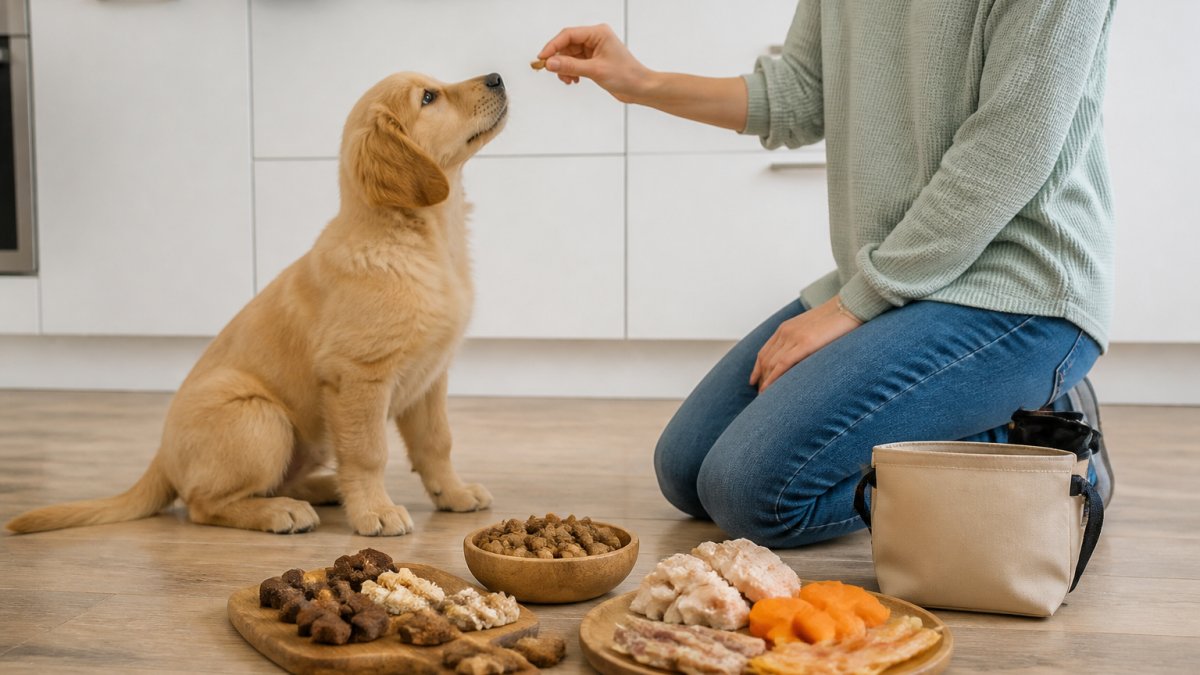
Table of Contents
- Safe Natural Treats for Puppy Training: What You Need to Know
- Small Soft Training Treats for Puppies That Work
- Puppy Treats for Sensitive Stomachs: Limited Ingredients That Protect
- Safe Fruits and Vegetables for Puppies
- Homemade Puppy Training Treats: Simple Recipes You Can Make
- Portion Control and Daily Treat Limits for Puppies
- Toxic Ingredients and Foods to Avoid During Puppy Training
- Frequently Asked Questions
Last Updated: October 11, 2026
Safe Natural Treats for Puppy Training: What You Need to Know
The right training treat builds positive associations without upsetting sensitive digestive systems or introducing unrecognizable ingredients. Safe natural treats for puppy training must be small, soft, and made from clean ingredients you trust.
Most commercial treats contain fillers, artificial preservatives, and common allergens. You need treats small enough for frequent rewards, soft enough for developing teeth, and clean enough to use multiple times per session.
Prepare in advance for training. Gather the treats and break them into small pea sized pieces. Place the broken pieces in a plastic bag. When ready to train put the plastic bag in a fanny pack or treat pouch.
Small Soft Training Treats for Puppies That Work
Small soft training treats deliver reward quickly without interrupting lessons, keeping your puppy focused on the next command.
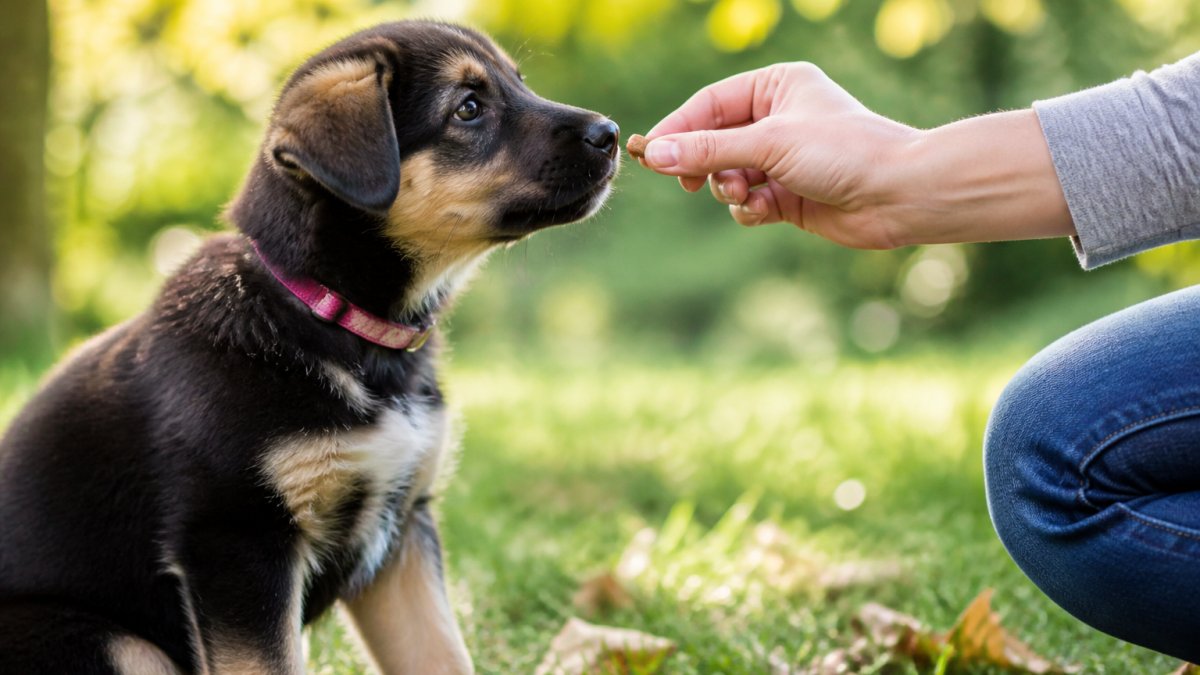
The best soft treats break into tiny pieces, turning one treat into multiple rewards. Choose pliable options over crunchy ones, your puppy’s developing baby teeth can’t handle hard biscuits.
Age-Specific Treat Readiness
Consult your veterinarian before introducing treats. Under 8 weeks, stick to soft kibble or pea-sized cooked chicken during weaning. At 8-12 weeks, introduce single-ingredient options (plain cooked chicken, freeze-dried liver).
Choking Prevention and Safe Sizing
Choking is a real risk with puppies under 16 weeks. Keep treats pea-sized (fit through a toilet paper tube), soft enough to crumble between your fingers, and slightly moist.
The Soft Peanut Butter Biscotti from The Dog Emporium ($15.00 for 6 oz) is soft enough for young puppies yet breaks into the smallest size needed for a reward..

Puppy Treats for Sensitive Stomachs: Limited Ingredients That Protect
Limited-ingredient treats are your safest bet when you don’t know your puppy’s diet history or digestive sensitivities.
Avoid top allergens: wheat, beef, corn, soy, and chicken. Even puppies without diagnosed allergies may react with loose stools, vomiting, or itching.
The Hi 5 Peanut Butter Banana treats ($15.00 for 6 oz) from The Dog Emporium contain just three ingredients: oat flour, peanut butter, and banana, ideal for puppies with unknown digestive histories.

Introduce new treats slowly: offer one small piece on day one, wait 24 hours, then gradually increase frequency over several days to protect your puppy’s digestive system.
Safe Fruits and Vegetables for Puppies
Fresh fruits and vegetables are low-calorie, nutrient-dense rewards. Safe options include carrots (excellent for teething), blueberries, apples (remove seeds), green beans, and sweet potato. A small carrot piece or single blueberry works well during extended training sessions.
The All-Natural Sweet Potato Dog Treats ($15.00 for 5 oz) from The Dog Emporium combine this concept with added benefits. Sweet potato is naturally gentle on sensitive stomachs. The inclusion of parsley helps freshen breath, a bonus when you’re working close to your puppy during training.
Avoid grapes, raisins, onions, garlic, avocado, and macadamia nuts. These are toxic to dogs and should never appear in your puppy’s diet, even in trace amounts.
Safe Puppy Treat Option | Best For | Key Benefit |
|---|---|---|
Soft peanut butter treats | Frequent training rewards | Quick reward, minimal chewing |
Limited-ingredient biscuits | Sensitive stomachs | Easy digestion, predictable ingredients |
Fresh carrot pieces | Teething relief | Natural texture, low calorie |
Blueberries | Low-calorie rewards | Antioxidants, tiny portion size |
Sweet potato treats | Digestive health | Fiber-rich, breath support |
Homemade Puppy Training Treats: Simple Recipes You Can Make
Homemade safe natural treats for puppy training give you complete control over every ingredient. You know exactly what your puppy is eating, and you can adjust recipes for specific sensitivities.
The simplest approach is the single-ingredient treat. Freeze-dried chicken, turkey, or beef liver requires no preparation, just break it into training-sized pieces. These are high-value rewards that most puppies find irresistible, and the natural protein supports healthy growth.
For a slightly more involved option, try this basic peanut butter and oat recipe:
Simple Peanut Butter Puppy Treats
Mix 1 cup natural peanut butter (no xylitol), 1 cup oat flour, and 1 egg. Roll into small balls, flatten slightly, and bake at 350°F for 12 minutes. Cool completely before storing in an airtight container.
Makes about 20 small treats. Store in the refrigerator for up to one week.
Avoid honey, chocolate, xylitol (artificial sweetener), and any ingredients toxic to dogs. When in doubt, stick to single-ingredient options or recipes you’ve verified with your veterinarian.
Many puppy owners find homemade treats time-consuming once training intensifies. The Crunchy Pawfect Pumpkin treats ($15.00 for 6 oz) from The Dog Emporium offer a middle ground, professionally baked with the same simple ingredients you’d use at home: peanut butter, pumpkin, cinnamon, and other simple baking basics. No artificial preservatives, no mystery components.
Soft Peanut Butter Biscotti Dog Treats – All‑Natural, USA‑Made, Puppy to Senior →

Portion Control and Daily Treat Limits for Puppies
Treats should never exceed 10% of your puppy’s daily caloric intake. The remaining 90% should come from a complete puppy food formulated for their age and expected adult size.
For a growing puppy, this means using treats strategically.
Calculating Your Puppy’s Daily Calorie Allowance
Start by determining your puppy’s current caloric needs. Puppies require roughly 2-3 times the calories per pound of body weight compared to adult dogs because they are growing rapidly.
- Small breed puppies (under 25 lbs adult weight): Approximately 40 calories per pound of current body weight per day. A 5-pound puppy needs roughly 200 calories daily.
- Medium breed puppies (25-50 lbs adult weight): Approximately 35 calories per pound of current body weight per day. A 15-pound puppy needs roughly 525 calories daily.
- Large breed puppies (50+ lbs adult weight): Approximately 25-30 calories per pound of current body weight per day. A 30-pound puppy needs roughly 750-900 calories daily. Large-breed puppies grow more slowly to prevent joint stress, so their calorie density is lower than smaller breeds.
Your puppy food label lists calories per cup. Divide your puppy’s daily calorie allowance by the calories per cup to determine how much food to feed.
Example for a Small-Breed Puppy:
- Current weight: 15 pounds
- Daily calorie need: 525 calories
- Puppy food: 380 calories per cup
- Daily food amount: 1.4 cups (roughly 1⅜ cups)
- 10% treat allowance: 52.5 calories
- Treat budget: 6-10 small soft treats at 5-8 calories each
Tracking Treats During Intensive Training
When you’re doing multiple training sessions per day, it’s easy to lose count of treats. Use these strategies to stay within your puppy’s calorie budget:
- Pre-portion treats: At the start of each day, measure out your puppy’s entire treat allowance into a small container. Once it’s gone, training rewards shift to non-food reinforcement (praise, play, toys).
- Use a training pouch with a counter: Some trainers use a clicker pouch with a mechanical counter to track each treat given. This prevents accidental overfeeding during long sessions.
- Reduce meal portions on heavy training days: If you plan an intensive training session with many treats, reduce your puppy’s regular food by the equivalent calories. For example, if you’ll give 50 calories in treats, reduce kibble by roughly ⅛ cup (assuming 380 calories per cup).
- Alternate reward types: Use non-food rewards (a quick game of tug, a toy, enthusiastic praise) for every other correct behavior. This stretches your treat budget and teaches your puppy that praise and play are equally rewarding.
Size-Specific Adjustments
Small soft treats from The Dog Emporium typically contain 5-8 calories per piece, meaning you can offer 5-8 treats per day while staying within the 10% guideline. This is more than enough for a solid training session without disrupting nutrition or weight gain. However, adjust portions based on your puppy’s size:
- Toy breeds (under 10 lbs): Offer 3-5 treats daily. Break treats into even smaller pieces (quarters or eighths).
- Small breeds (10-25 lbs): Offer 5-8 treats daily.
- Medium breeds (25-50 lbs): Offer 6-10 treats daily.
- Large breeds (50+ lbs): Offer 8-12 treats daily, but monitor growth rate closely. Large-breed puppies are prone to developmental issues.
Your veterinarian can recommend a specific daily treat allowance based on your puppy’s current weight, growth curve, and expected adult size.
Warning Signs of Overfeeding
If your puppy is gaining weight too quickly, has a visibly rounded belly, or shows signs of digestive upset (loose stools, vomiting, gas), reduce treats immediately and consult your veterinarian.
Toxic Ingredients and Foods to Avoid During Puppy Training
Some ingredients that seem harmless to humans are dangerous for puppies. Knowing what to avoid prevents accidental poisoning and gives you confidence when choosing safe natural treats for puppy training.
Never use treats containing xylitol (artificial sweetener), chocolate, grapes, raisins, onions, garlic, avocado, macadamia nuts, or alcohol. These are toxic to dogs and can cause serious harm even in small amounts.
Also avoid treats with excessive salt, sugar, or fat. Puppies’ digestive systems are immature and easily disrupted by rich foods. High-fat treats can trigger pancreatitis, a serious inflammation of the pancreas. High-sugar treats contribute to obesity and dental problems.
Read ingredient labels carefully. Terms like “meat by-products,” “animal fat,” or “unnamed poultry” indicate low-quality ingredients you can’t verify.
Artificial preservatives like BHA, BHT, and ethoxyquin have no place in puppy treats. Natural preservation methods like vitamin E (mixed tocopherols) are safer for developing bodies.
Toxic Ingredient | Why It’s Dangerous | Safe Alternative |
|---|---|---|
Xylitol | Causes severe low blood sugar and liver failure | Treats sweetened with banana or pumpkin |
Chocolate | Contains theobromine, toxic to dogs | Peanut butter or carob-based treats |
Grapes/Raisins | Cause kidney failure | Blueberries or apple pieces |
Onions/Garlic | Damage red blood cells | Plain meat or vegetable treats |
Macadamia nuts | Cause weakness and tremors | Other nut butters or seeds |
Frequently Asked Questions
What makes safe natural treats different from regular dog treats?
Safe natural treats for puppy training contain simple, recognizable ingredients without artificial preservatives, colors, or flavors. They avoid common allergens like wheat, corn, soy, beef, and chicken. Limited-ingredient recipes are gentler on developing digestive systems and reduce the risk of upset stomachs or allergic reactions. All-natural treats made in small batches also maintain fresher flavor and better nutritional value than mass-produced alternatives.
How small should puppy training treats be?
Puppy training treats should be bite-sized pieces no larger than a pea to a small marble. Soft treats like the Soft Peanut Butter Biscotti or Hi 5 Peanut Butter Banana Treats can be easily broken into smaller pieces for frequent rewards without overfeeding. Small portions keep puppies focused on training rather than chewing, and they allow you to give many rewards during a session without exceeding daily calorie limits. Break the treats before training begins so there are no distractions. Put them in a training treat bag or fanny pack. Remember even large dogs will do almost anything for a small crumb.
Can puppies have fruits and vegetables as training treats?
Yes, many fruits and vegetables are safe for puppies. Carrots, blueberries, strawberries, sweet potatoes, and pumpkin are all puppy-friendly options that provide natural nutrition. The Strawberry Blueberry Dog Treats and All-Natural Sweet Potato Treats are made with real fruits and vegetables safe for puppies. Always introduce new foods gradually and in small amounts, and avoid grapes, raisins, avocado, and onions, which are toxic to dogs.
How many treats can I give my puppy during training?
Treats should make up no more than 10 percent of your puppy’s daily calorie intake. For most puppies, this means 1 to 9 treats per day depending on size, age, and activity level. During training sessions, use very small pieces and adjust your puppy’s regular meals to account for treat calories. Always provide fresh water and consult your veterinarian about appropriate portions for your specific puppy’s age and weight.
What ingredients should I avoid when choosing puppy training treats?
Avoid treats containing xylitol, chocolate, grapes, raisins, onions, garlic, avocado, macadamia nuts, and artificial preservatives like BHA or BHT. Steer clear of treats with excessive salt, sugar, or fat. Also avoid treats with vague ingredient lists like ‘meat by-products’ or ‘animal fat.’ Look for treats with specific, named ingredients you recognize, such as real peanut butter, chicken, or sweet potato, which are easier to digest and less likely to trigger sensitivities in developing puppies.
Building positive training with safe natural treats for puppy training starts with choosing ingredients you trust. The Dog Emporium’s small-batch treats, like the Hi 5 Peanut Butter Banana ($15.00) and Crunchy Pawfect Pumpkin ($15.00), are crafted in Pennsylvania with simple, recognizable ingredients designed specifically for sensitive puppy stomachs. Start shopping today and give your puppy rewards that feel as good as they taste.
Leave a Reply