Table of Contents
- Why Order Handcrafted Dog Treats Online?
- How to Read Dog Treat Labels Before You Buy
- How to Identify Harmful Dog Treat Ingredients
- Best Natural Dog Treats for Sensitive Stomachs
- Matching Handcrafted Dog Treats to Your Dog’s Size and Age
- Shipping, Storage, and Shelf Life for Handcrafted Treats
- Conclusion
- Frequently Asked Questions
Last Updated: October 4, 2026
Why Order Handcrafted Dog Treats Online?
Ordering handcrafted dog treats online gives you access to small-batch, all-natural biscuits most pet store shelves do not carry.

The case for buying this way comes down to control. Mass-market treats are formulated for long shelf life, which means preservatives and fillers.
Below, we walk through how to read a treat label, spot harmful ingredients, match treats to your dog’s size and age, and store what you buy so it stays fresh.
How to Read Dog Treat Labels Before You Buy
Reading a dog treat label means checking three things in order: the ingredient list, the guaranteed analysis, and the manufacturer’s sourcing claims.
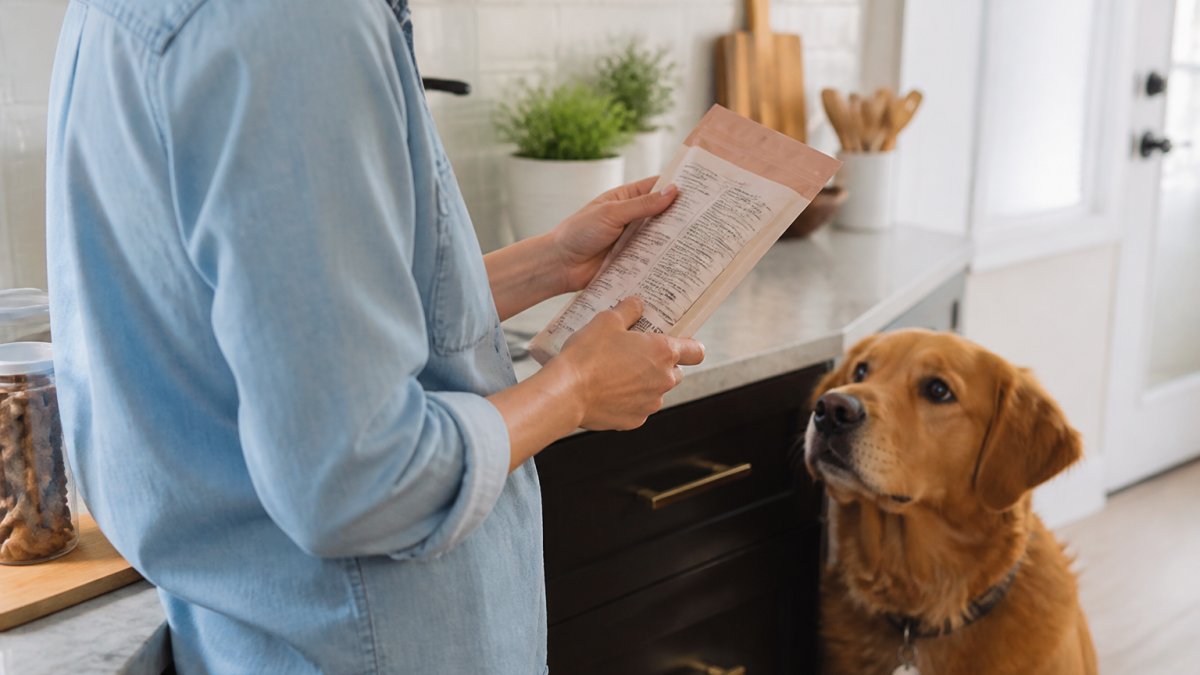
Most buyers skip straight to the front of the bag, the marketing side. The back panel is where the real information lives. To compare two bags, line them up and run the same four checks on each.
The Four-Check Label Method
Run every bag through these four checks before it goes in your cart:
- First ingredient. It should be a named protein or a named whole food, not a grain fraction or a vague “meal.” “Chicken” beats “poultry” beats “meat meal.”
- Ingredient count. A short list is easier to audit. Limited-ingredient recipes typically run under ten items, which makes it simple to spot a trigger food.
- Guaranteed analysis. Note the protein minimum, fat minimum, and moisture maximum. These are the numbers you will compare across bags.
- Sourcing and facility language. Look for a named country of origin and a stated production method (baked, small-batch, made in a specific facility). Vague claims like “premium” carry no weight.
If a bag fails any one of the four, put it back. If it passes all four, move to the tiebreakers below.
Ingredient Splitting: The Sneaky Label Trick
Ingredient splitting is when a manufacturer lists several forms of the same ingredient separately so none appears first on the label. You might see “wheat flour, wheat bran, wheat germ” instead of one honest “wheat” entry.
A common mistake is assuming the first ingredient is the only one that matters. Watch for repeated words in different forms: if you see the same grain or protein three times, treat it as one large ingredient.
What the Guaranteed Analysis Actually Tells You
The guaranteed analysis is a required panel showing minimum percentages for protein and fat and maximums for fiber and moisture. It tells you quantity, not ingredient quality, a treat can hit a high protein number using a cheap source.
Use it as a starting filter, not a verdict. For training treats, higher protein and lower fat usually fits better. For a senior who needs easy chewing, moisture and texture matter more than the protein number.
Two practical notes on reading these numbers:
- Guaranteed analysis is reported on an “as-fed” basis, meaning it includes the water in the treat. A soft treat with high moisture will show lower protein and fat percentages than a dry biscuit even if the dry matter is similar.
- “Crude” protein and “crude” fat are laboratory measures, not a statement of digestibility. Two treats can show the same crude protein and absorb very differently.
Tiebreakers When Two Bags Look Equal
When two labels pass the four checks, use these to break the tie:
- Named protein source over generic. “Salmon” beats “fish.”
- Single protein over multi-protein. Fewer proteins means fewer variables if a reaction shows up.
- Shorter ingredient list over longer. Every added item is another thing to track.
How to Identify Harmful Dog Treat Ingredients
Identifying harmful dog treat ingredients starts with knowing the short list of things to avoid and reading past front-of-bag claims. The American Veterinary Medical Association publishes guidance on which human foods are toxic to dogs, and the same logic applies to treats.
AVMA guidance on people foods toxic to pets
Preservatives and Additives to Avoid
Certain preservatives and additives show up in cheap treats and are worth skipping:
- BHA and BHT – synthetic preservatives used to extend shelf life
- Propylene glycol – a moisture retainer also used in some industrial products
- Artificial colors – added purely for appearance, with no nutritional role
None of these belong in a treat you feed daily. A limited-ingredient recipe skips them by design.
Ingredients That Trigger Sensitive Stomachs
The most common triggers are wheat, corn, soy, beef, and chicken. These are not inherently bad, but they are the proteins and grains most often linked to reactions in dogs with a sensitive gut.
If your dog has been on a prescription diet for digestive issues, introduce new treats one at a time: give a single small piece, wait a day, and watch for changes, the same approach your vet would suggest for any new food.
Best Natural Dog Treats for Sensitive Stomachs
The best natural dog treats for sensitive stomachs use a short ingredient list, a single named protein, and no artificial preservatives. Limited-ingredient recipes mean fewer variables to track, making it easier to find what works.
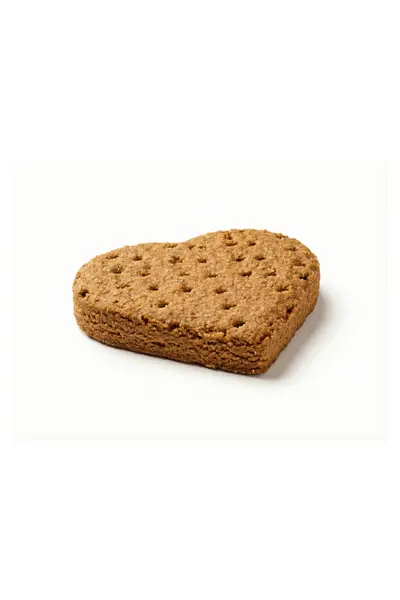
Our approach at The Dog Emporium is simple: recognizable ingredients, small batches, and no artificial preservatives, colors, or flavors. Several recipes skip wheat, beef, corn, soy, and chicken entirely, helping households with multiple dogs on different diets.
For dogs who need a soft texture, the Soft Peanut Butter Biscotti Dog Treats are easy to chew and break apart. For dogs who do better with a crunch, the Large Crunchy Dog Treats come in six flavors, including Pumpkin Biscotti and Apple Carrot.
Large Crunchy Dog Treats – 6 Bakery-Inspired Flavors, All-Natural & USA-Made →
Treat Type | Texture | Best For | Common Triggers Avoided |
|---|---|---|---|
Soft Peanut Butter Biscotti | Soft, breakable | Puppies, seniors, tooth loss | Wheat, beef, corn, soy, chicken |
Large Crunchy Bakery Treats | Hard, breakable | Everyday rewards, training | Wheat, beef, corn, soy, chicken |
Bacon and Egg Treats | Light, savory | Picky eaters, joint support | Wheat, beef, corn, soy, chicken |
Snicker Doodle Treats | Soft, cookie-style | Everyday treating | Wheat, beef, corn, soy, chicken |
Matching Handcrafted Dog Treats to Your Dog’s Size and Age
Matching treats to your dog’s size and age comes down to three factors: chew strength, calorie load, and treat size. A Chihuahua and a Great Dane should not eat the same biscuit, even with identical ingredients.
Most treat guides stop at “pick the right size,” leaving out the two things that actually cause problems: texture mismatch and calorie creep. This section covers both, plus how to pick for puppies, adults, and seniors.
Texture Is the First Filter, Not Size
Texture determines whether a treat is safe and enjoyable before size ever comes into play.
- Soft and breakable works for puppies cutting teeth, seniors with worn or missing teeth, and any dog with a sensitive mouth.
- Crunchy and snap-able works for adult dogs with full dentition who enjoy a satisfying chew.
- Hard, dense chews are for strong adult chewers only, and even then should be sized so the dog cannot swallow them whole.
A treat that is the right size but the wrong texture is still the wrong treat. A large soft biscotti is fine for a big senior. A small hard chew is a choking risk for a small puppy.
Calorie Budgeting: The Part Most Guides Skip
Treats should generally make up no more than about ten percent of a dog’s daily calories, a common veterinary guideline and the single most useful rule for sizing treats correctly.
The same biscuit is a rounding error for a Great Dane and a meaningful chunk of daily intake for a Chihuahua.
A simple way to think about it:
- Toy breeds (under 10 lbs): a quarter of a large treat, or one small soft treat, per reward.
- Small breeds (10-25 lbs): half a large treat, or one small soft treat.
- Medium breeds (25-60 lbs): one full treat per reward.
If you are training with many repetitions in a session, cut each reward smaller rather than feeding fewer rewards. Frequency matters more than size during training.
Puppies, Adults, and Seniors Need Different Treats
Age changes the calculus as much as size does.
Puppies are still developing adult teeth and have small stomachs. Soft, breakable treats let you reward often without overfeeding; avoid hard chews until adult teeth are fully in.
Adult dogs with healthy teeth can handle full-size crunchy treats. Texture variety is fine here, and a crunchy biscuit can double as a small amount of mechanical cleaning.
Seniors often do best with soft, easy-to-chew options, especially with lost teeth, dental disease, or mobility issues that make chewing tiring.
A Quick Selection Checklist
Before you buy, run through these:
- Does the texture match my dog’s teeth and jaw strength?
- Can I break this treat down to fit my dog’s calorie budget?
- Is the size small enough that my dog cannot swallow it whole?
Our large crunchy treats are designed to snap cleanly for exactly this reason: one bag can serve a household with a Great Dane and a Chihuahua if you portion it correctly. For puppies and seniors, the soft biscotti line covers the texture end of the spectrum.
Shipping, Storage, and Shelf Life for Handcrafted Treats
Handcrafted treats stay fresh longest in an airtight container away from heat and moisture.
Once a bag is open, keep it sealed between uses. A resealable bag helps, but a glass or metal container with a tight lid works better.
We ship our treats nationwide, so ordering from outside Pennsylvania is not a problem; orders arrive in sealed packaging designed to hold up in transit.
Conclusion
Choosing the right treats takes more label-reading than most owners expect, and the payoff is a dog with a happier stomach and fewer mystery reactions. The Dog Emporium bakes all-natural, small-batch treats with limited ingredients, breakable textures for seniors and small pups, and six bakery-inspired flavors. Every recipe is made in Pennsylvania with no artificial preservatives, colors, or flavors. Start shopping and find the flavor your dog will spin in circles for.
Frequently Asked Questions
What should I look for when buying handcrafted dog treats online?
Look for a short ingredient list with recognizable whole foods, a named protein source like peanut butter or real bacon, and no artificial preservatives, colors, or flavors. Check whether the seller states where the treats are made and in what batch size. Small-batch, USA-made treats from a first-generation family business tend to offer better traceability than mass-produced alternatives. Also confirm the bag size and resealable packaging so treats stay fresh after opening.
Are small-batch dog treats healthier than mass-produced ones?
Small-batch production typically means fewer artificial preservatives because treats are baked in smaller runs and sold faster. Mass-produced treats often rely on synthetic preservatives to survive long warehouse storage. That said, batch size alone does not guarantee quality. A small-batch treat with a long, unpronounceable ingredient list is no better than a mainstream option. Compare ingredient panels directly rather than assuming artisan-crafted always wins.
How do I know if a dog treat is safe for my dog’s sensitive stomach?
Start with limited-ingredient recipes that avoid common allergens like wheat, beef, corn, soy, and chicken. Look for treats that use a single novel protein and simple binders. Soft-baked options are often easier to digest than hard, greasy biscuits. Introduce one new treat at a time in small amounts over several days so you can pinpoint any reaction. If your dog is on prescription food, ask your veterinarian before adding any treat to their diet.
How long do handcrafted dog treats stay fresh after opening?
Most small-batch baked treats stay fresh for two to four weeks after opening when stored in an airtight container at room temperature. Resealable bags help, but transferring to a glass jar with a tight lid works better. Keep treats away from moisture and direct sunlight. If a treat smells stale, feels soft when it should be crunchy, or shows any mold, discard it. Buying smaller bags more often beats stockpiling large quantities.
Leave a Reply