Last Updated: October 25, 2026
Quick Summary
The best USA made dog treats in 2026 are limited-ingredient bakery treats baked in small batches, like our large crunchy treats sold by the piece and our soft peanut butter biscotti. Remember that “made in the USA” is a marketing claim, not a safety certification, so verify where the protein is sourced.
- Large crunchy bakery treats sell by the piece so you can mix six flavors in one order.
- Soft peanut butter biscotti avoids wheat, beef, corn, soy, and chicken for sensitive stomachs.
- Freeze-dried treats are often two to four times the calorie density of a baked biscuit.
- Treats should make up no more than about 10 percent of a dog’s daily calories.
- Ask makers where the protein is sourced and whether they publish third-party pathogen testing.
Table of Contents
- Why USA Made Dog Treats Are Worth the Extra Research in 2026
- Quick Comparison: USA Made Dog Treats Side by Side
- 1. Large Crunchy Bakery Treats: Best for Multi-Dog Homes and Flavor Variety
- 2. Soft Peanut Butter Biscotti: Best USA-Made Dog Treats for Sensitive Stomachs
- 3. Best Freeze-Dried Dog Treats and What Raw-Style Buyers Should Know
- Dog Treat Ingredient Label Guide: What to Read Before You Buy
- How to Identify Harmful Dog Treat Ingredients
- Calories, Portions, and What a USA-Made Claim Actually Means
- Frequently Asked Questions
Why USA Made Dog Treats Are Worth the Extra Research in 2026
The label “made in the USA” sounds simple, but it covers many reality. At The Dog Emporium, we bake every batch in small runs in Pennsylvania, which means we read ingredient labels the same way you do: carefully, and with a raised eyebrow.
Here’s the uncomfortable truth most roundups skip: “made in the USA” and “all-natural” are marketing terms with loose definitions. Neither one is a safety certification. A treat can carry both phrases and still hide a long ingredient list. That’s why we built this guide around verification, not vibes. Below, we walk through the label-reading habits that separate a genuinely wholesome snack from a cleverly packaged one.
Quick Comparison: USA Made Dog Treats Side by Side
Here’s the whole list at a glance. Prices reflect what we charge for our own bakery treats.
Pick | Best For | Price | Texture |
|---|---|---|---|
Large Crunchy Bakery Treats | Multi-dog homes, flavor variety | $4.00 per treat | Big crunch, breakable |
Soft Peanut Butter Biscotti | Sensitive stomachs | $15.00 (6 oz) | Soft, easy to chew |
Freeze-dried and raw-style options | High-value training | Varies | Light, crumbly |
Single-ingredient picks | Allergy-prone dogs | Varies | Varies |
Budget-friendly biscuits | Everyday treating | Varies | Crunchy |
1. Large Crunchy Bakery Treats: Best for Multi-Dog Homes and Flavor Variety
If you share your home with more than one dog, you already know the struggle: one bag, one flavor, and a household of opinions.
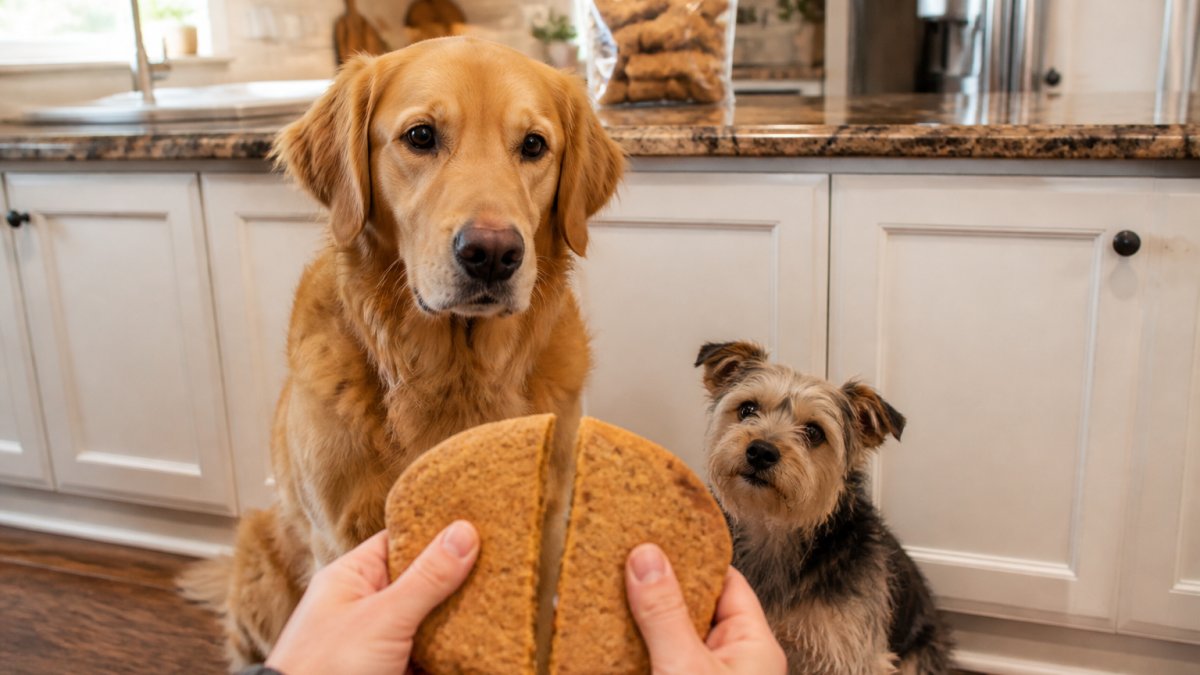
The lineup runs from Peanut Butter Banana to Pumpkin Biscotti, Strawberry Blueberry, Snicker Doodle, Apple Carrot, and Banana Split. Each treat is big and crunchy, but breakable, so a senior terrier and a young retriever can share the same bag.
You can shop the large crunchy bakery treats by the piece and build a variety pack around your dogs’ favorites.
2. Soft Peanut Butter Biscotti: Best USA-Made Dog Treats for Sensitive Stomachs
Soft textures get overlooked in treat roundups, which is a mistake. Dogs with sensitive digestion, missing teeth, or a picky streak often do better with a softer bite.
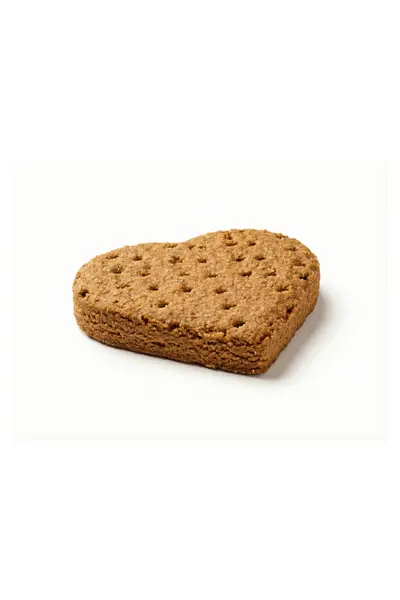
The formula avoids wheat, beef, corn, soy, and chicken, which makes it a practical choice for households juggling multiple food sensitivities. It’s also a strong training reward because you can snap it into small pieces without it crumbling to dust.
You can view the soft peanut butter biscotti and check the full ingredient list before you buy.

3. Best Freeze-Dried Dog Treats and What Raw-Style Buyers Should Know
Freeze-dried treats earn their reputation for one reason: they’re light, aromatic, and high-value, which makes them excellent training rewards. The process freezes the protein and then pulls the moisture out under vacuum, so the treat stays shelf-stable without refrigeration while keeping most of its original structure and smell. That aroma is why a pea-sized piece can out-pull a whole biscuit in a distracting environment.
The trade-off is concentration. Because the water is gone, freeze-dried treats are dense in protein and calories per ounce, often two to four times the calorie density of a baked biscuit of the same weight.
What to check on a freeze-dried label
- Named protein, named origin. “Beef liver” beats “meat.” A clear statement of where the animal was raised or caught is the single best signal of a verified domestic supply chain.
- Single-ingredient vs. formulated. Single-ingredient freeze-dried treats are the easiest to verify because there is nothing to hide behind. Formulated freeze-dried treats can be excellent, but read the full list.
- Pathogen testing. Freeze-drying does not sterilize. Raw protein can carry Salmonella, Listeria, and E. coli, and the FDA has issued recalls on freeze-dried pet products for exactly these pathogens. A maker who publishes finished-product testing for pathogens is doing the work most brands skip.
- Handling. Treat freeze-dried raw-style products like raw meat: wash hands after handling, don’t let them sit in a warm car, and keep them away from immune-compromised people and very young children in the household.
Freeze-dried vs. raw-style vs. baked
Format | Moisture | Calorie density | Handling | Best use |
|---|---|---|---|---|
Baked biscuit | Low | Moderate | Shelf-stable, no special handling | Everyday treating, crunch |
Soft baked | Moderate | Moderate | Shelf-stable | Sensitive mouths, pill pockets |
Freeze-dried | Very low | High | Treat as raw; wash hands | High-value training, recall |
Frozen raw | High | Moderate | Keep frozen; thaw in fridge | Meal toppers, rotational feeding |
Freeze-dried is not the same as cooked. If anyone in your home is pregnant, immunocompromised, or under five, handle freeze-dried raw-style treats with the same precautions you would use for raw meat, and store them sealed and out of reach.
If you’re exploring alternative formats like CBD chews alongside raw-style treats, read the safety facts first. Our guide on whether you can give your dog CBD covers dosage and side effects before you start.
Dog Treat Ingredient Label Guide: What to Read Before You Buy
Reading a dog treat label is a skill, and it’s the single most useful one you can build. Start with the ingredient list, which is ordered by weight. The first three ingredients tell you most of the story. If a named protein or a recognizable whole food leads, that’s a good sign.
Large Crunchy Dog Treats – 6 Bakery-Inspired Flavors, All-Natural & USA-Made →
Next, look for what’s absent. Limited-ingredient recipes that skip common allergens like wheat, corn, soy, and chicken are easier to trust because there’s less to hide behind. Then check the guaranteed analysis for protein and fat percentages, and confirm the calorie count per treat so you can fit treats into your dog’s daily intake.
How to Identify Harmful Dog Treat Ingredients
Spotting harmful ingredients comes down to three habits: reading the full list, knowing your dog’s sensitivities, and treating vague terms as red flags. Watch for artificial preservatives, unnamed “meat by-products,” added colors, and sweeteners. Some sweeteners, including xylitol, are genuinely dangerous to dogs, so scan for them specifically (the FDA).
Watch out: a treat marketed as “natural” can still contain an ingredient your dog reacts to, because “natural” has no strict legal definition on pet treats. If your dog has a history of food allergies, don’t rely on front-of-bag claims. Our guide on the best treats for dogs with allergies walks through allergy symptoms and how to choose limited-ingredient options.
Calories, Portions, and What a USA-Made Claim Actually Means
Portion control is where most treat habits quietly go wrong. Treats should generally make up no more than about 10 percent of a dog’s daily calories, a rule of thumb veterinarians commonly cite, not a second meal (Creating A Nutritional Plan).
A worked example. Say your 20-pound dog needs roughly 500 calories a day. Ten percent is 50 calories of treats. If a biscuit is 40 calories, that’s one biscuit, not a handful.
Dog size | Approx. daily calories | Treat budget (~10%) | Typical small-biscuit count |
|---|---|---|---|
10 lb | ~300 | ~30 | 1-2 |
20 lb | ~500 | ~50 | 1-2 |
50 lb | ~900 | ~90 | 2-3 |
80 lb | ~1,300 | ~130 | 3-4 |
Those are estimates, not prescriptions. Activity level, age, and body condition move the number a lot, and a dog on a weight-loss plan should get its treat budget from a veterinarian, not a blog.
What “made in the USA” actually guarantees
This is the part most roundups skip. “Made in the USA” is a marketing claim, not a safety certification. The FTC sets the standard for when a company can say it: a product marketed as “Made in the USA” should be all or virtually all made here, meaning the final assembly or processing happens domestically and any foreign content is negligible (the FTC). “Assembled in the USA” or “Made in the USA from imported and domestic ingredients” are weaker claims, and they are legal, they just tell you less.
So the useful question isn’t “does the bag have a flag?” It’s “where did the protein come from, and can the maker show me?” A treat can be baked in Ohio from imported chicken and still carry a domestic-sounding label. The verification steps that actually work:
- Look for a named facility. A city and state on the package, or a “made in” line on the website, is a good start. A physical address you can look up is better.
- Ask about the protein. Email or call and ask where the chicken, beef, or fish was raised or caught. A maker with a real supply chain can answer in a sentence. A reseller usually can’t.
- Check for third-party testing. Finished-product testing for pathogens and nutritional consistency is the strongest evidence a small brand can offer. Ask whether it’s done in-house or by an outside lab.
- Read the guaranteed analysis, not the front of the bag. Protein and fat percentages plus calories per treat are the numbers that matter for portioning.
- Distinguish “USA-sourced” from “USA-made.” They are different claims. A treat can use domestic ingredients and be manufactured abroad, or the reverse.
Before you buy a new brand, send one email: “Where is the protein sourced, and do you publish third-party pathogen testing?” The answer, or the silence, tells you more than any front-of-bag claim.
We bake in small batches in Donora, Pennsylvania, and you can learn more about who makes these treats before you buy.
Frequently Asked Questions
How can I tell whether dog treats are actually made in the USA?
Check the package for a ‘Made in the USA’ or ‘Product of the USA’ statement tied to where the product was manufactured and processed, not just where the company is headquartered. A label that says ‘distributed by’ a US company proves nothing about origin. Look for a named US bakery or facility, ask the brand where ingredients are sourced, and treat vague phrases like ‘USA-owned’ as marketing rather than a manufacturing claim. When in doubt, email the company and ask for the production location in writing.
What ingredients should I avoid in dog treats?
Watch for xylitol, which is toxic to dogs even in small amounts, plus artificial colors, artificial preservatives, and generic ‘meat meal’ or ‘animal by-product’ entries that hide the actual protein source. Added sugars, propylene glycol, and BHA or BHT are worth skipping too. A short list of recognizable ingredients is easier to verify than a long one. If your dog has allergies, check for wheat, corn, soy, beef, and chicken, since many limited-ingredient recipes avoid these.
Are USA-made dog treats better for dogs with sensitive stomachs?
Origin alone does not settle it. What helps a sensitive stomach is a limited ingredient list, a single named protein, no artificial additives, and a texture your dog can chew. USA-made dog treats for sensitive stomachs often lean on oat flour, pumpkin, sweet potato, or peanut butter rather than wheat and corn. Introduce any new treat one piece at a time over several days, and check with your vet if your dog is on a prescription diet before adding anything.
How many treats a day is too many?
A common guideline is keeping treats to about 10 percent of your dog’s daily calories, with the rest from a complete food. That means a 20-pound dog on roughly 600 daily calories has about 60 calories of treat room, which is a few small biscuits, not a handful. Large bakery-style treats can run higher per piece, so break them into halves or quarters. Always subtract treat calories from meals rather than adding them on top.
Are freeze-dried dog treats better than baked ones?
They solve different problems. Freeze-dried treats are typically single-ingredient pieces of meat, which makes them high-value for training and useful for dogs with grain sensitivities, but they crumble, cost more per ounce, and some owners prefer not to handle raw-style product. Baked biscuits are shelf-stable, easy to break, and gentler on the wallet. Many owners keep both: freeze-dried for training, baked for everyday rewards.

Leave a Reply