Table of Contents
- How to Read Dog Treat Labels Like a Pro
- Toxic Ingredients in Dog Treats List: What to Avoid
- FDA Pet Food Labeling Requirements and What They Don’t Tell You
- Spotting Harmful Preservatives and Artificial Additives
- Red Flags: Fillers, By-Products, and Unspecified Meats
- Age, Breed, and Health Risks from Harmful Dog Treat Ingredients
- Interactive Checklist: Safer Treat Choices at the Store
- Frequently Asked Questions
Last Updated: September 25, 2026
How to Read Dog Treat Labels Like a Pro
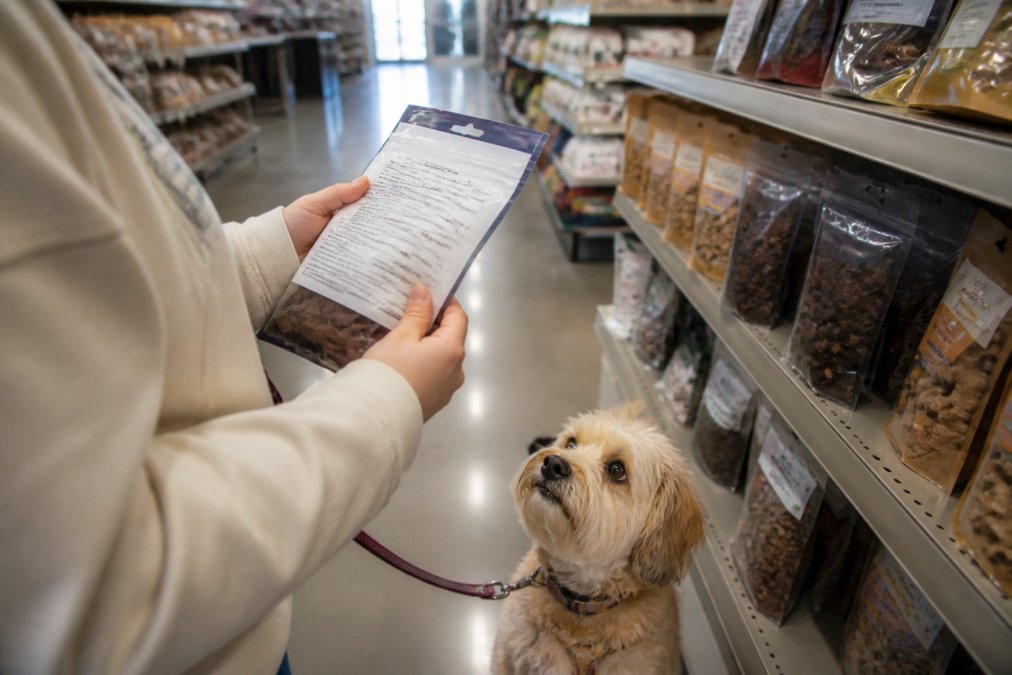
Learning how to identify harmful dog treat ingredients starts with one habit: flip the bag over and read the fine print before you buy. At The Dog Emporium, we’ve watched too many owners grab a treat because the front says “natural” while the back lists preservatives no dog should eat. And we encourage dog parents to flip the bag over and look at the limited wholesome ingredinets. This guide shows you exactly what to look for.
Dog treat labels are not designed to be easy. They are designed to sell. The front of the bag is marketing. The back is where the truth lives, and that’s where you should spend your time.
Here’s the good news: once you know the handful of red flags, label reading takes about ten seconds. You’ll never get fooled by a pretty package again.
Toxic Ingredients in Dog Treats List: What to Avoid
The fastest way to spot a bad treat is to scan for a short list of known problem ingredients. If you see any of these, put the bag down.
- Xylitol: an artificial sweetener that can cause hypoglycemia and liver failure in dogs, often found in peanut butter but not at The Dog Emporium
- Propylene glycol: a preservative linked to digestive upset and allergic reactions
- BHA and BHT: synthetic preservatives some research ties to carcinogenic effects
- Ethoxyquin: a preservative used in some fish meals and renderings
- Artificial colors and chemical dyes: added purely for looks, with no nutritional value
- Corn syrup and refined sugars: high on the glycemic index and empty of nutrition
This toxic ingredients in dog treats list is not exhaustive, but it covers the worst offenders. Memorize these six and you’ll catch most problems at a glance.
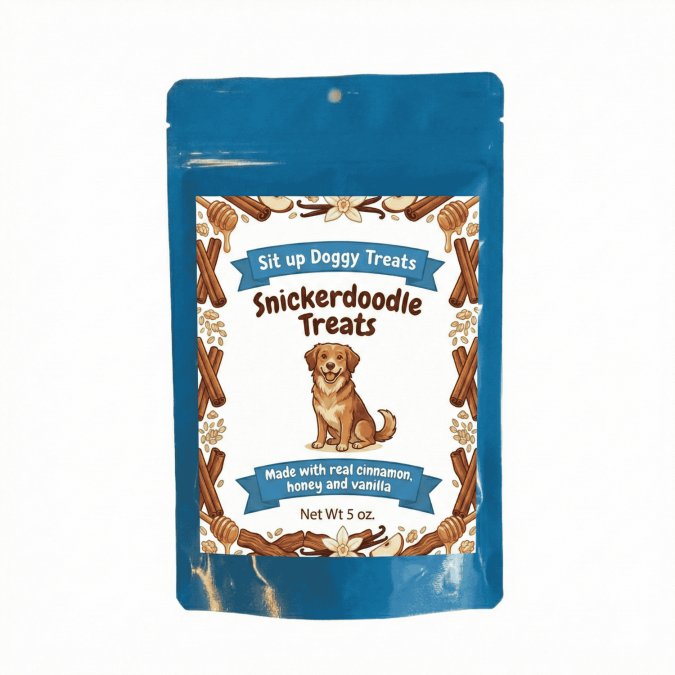
Snickerdoodle treats with honey.
FDA Pet Food Labeling Requirements and What They Don’t Tell You
The FDA sets the rules for what must appear on a pet food label, but those rules leave real gaps. Understanding FDA pet food labeling requirements helps you see what’s required versus what’s hidden.
By law, labels must list ingredients by weight and name the product’s intended species. What they don’t have to do is tell you the source of a “meat meal” or explain why a preservative was added. That’s the labeling loophole most owners miss.
Here’s the practical takeaway: a label can be fully compliant and still hide low-quality ingredients behind vague terms. The FDA rules set a floor, not a ceiling. Your job is to read past the minimum.
Spotting Harmful Preservatives and Artificial Additives
Synthetic preservatives exist for one reason: to keep fat from going rancid so a treat can sit on a shelf for a year or more. The problem is that the same chemistry that stabilizes fat in the bag can create oxidative stress inside your dog. That is the mechanism most owners never hear explained.
Here are the four to know, what they actually do, and where they hide.
- BHA (butylated hydroxyanisole) and BHT (butylated hydroxytoluene): petroleum-derived antioxidants that prevent fat rancidity. They appear in human processed foods too, and some animal studies have linked high doses to carcinogenic activity. You will most often see them in long-shelf-life kibble-style treats, jerky, and anything with added fat.
- Ethoxyquin: a quinoline-based preservative originally used as a rubber stabilizer. It shows up most often in fish meals and rendered fats, which is why fish-based treats are the usual suspect. It does not have to be listed by name if it was added to an ingredient before that ingredient reached the treat maker, a loophole worth remembering.
- TBHQ (tert-butylhydroquinone): another petroleum-derived antioxidant, common in jerky and meat-stick treats. It is frequently paired with BHA or BHT rather than used alone.
- Propylene glycol: technically a humectant (it keeps treats soft and chewy) rather than a preservative, but it belongs on this list because it is the same chemical used in antifreeze and is linked to digestive upset and allergic reactions in sensitive dogs. Semi-moist treats, the ones that feel like soft jerky, are where it hides.
The interaction angle most articles skip. These ingredients rarely appear alone. A soft treat high in corn syrup or molasses plus BHA/BHT creates a double load: sugar drives inflammation and blood-sugar spikes while the preservatives add oxidative stress on top. A fish treat with ethoxyquin plus a named fish protein your dog is already allergic to stacks an allergen on top of a preservative. Reading ingredients in isolation misses this. Read them as a combination.
Where they hide on the label. You will not always see “BHA” spelled out.
- “Preserved with BHA, BHT, or ethoxyquin” buried after the fat source
- “Mixed tocopherols”, this is the good version (natural vitamin E), not a synthetic
- “Rosemary extract” or “citric acid”, natural antioxidants, generally preferred
- “To maintain freshness” with no named preservative, often means the preservative was added upstream and does not have to be disclosed
Red Flags: Fillers, By-Products, and Unspecified Meats
Fillers and by-product meal are the quiet problems on most labels. They add bulk and cut cost, but they do little for your dog’s health.
Watch for these red flags:
- “Meat meal” with no animal named
- “By-product meal” or “poultry by-product”
- Corn, wheat, and soy listed in the first few ingredients
- “Animal fat” with no source
- “Digest” or “natural flavoring” with no explanation
Age, Breed, and Health Risks from Harmful Dog Treat Ingredients
The same treat that a healthy two-year-old lab shrugs off can send a senior chihuahua to the vet. That is not because the ingredients are different, it is because the dog processing them is. Understanding the why turns a generic “read the label” warning into a decision you can actually make in the aisle.
Dogs with existing conditions.
- Kidney or liver disease: avoid added phosphorus, high sodium, and synthetic preservatives. Fewer ingredients means fewer things the organs have to clear.
- Diabetes or hypoglycemia risk: xylitol is an absolute no. So are corn syrup, molasses, and refined sugars, which spike blood glucose. Penut butter treats made with real peanut butter may include different sugars or even xylitol. The Dog Emporium uses peanut butter with no xylitol but has different sugars and oils.
- Obesity-prone dogs: watch fat content and calorie density, not just the ingredient list. “Natural” does not mean low-calorie.
- Anxious dogs on calming chews: check for artificial dyes and preservatives, which add a chemical load to a dog already under stress.
Interactive Checklist: Safer Treat Choices at the Store
Use this checklist the next time you’re standing in the treat aisle. It takes under a minute per bag.
- Ingredient list is short and readable
- No xylitol, propylene glycol, BHA, BHT, or ethoxyquin
- No artificial colors or chemical dyes
- No corn syrup or refined sugars
- Meat sources are named (chicken, beef, salmon, not “meat meal”)
- No unspecified by-products or “animal fat”
- Preservatives, if any, are natural (vitamin E, rosemary extract)
- Treat is made in small batches or by a maker you can verify
- Texture works for your dog’s age and teeth
- You can picture every ingredient in a real kitchen
Frequently Asked Questions
What ingredients should I avoid in dog treats?
Avoid artificial preservatives like BHA, BHT, and ethoxyquin, which are linked to liver and cell damage. Skip artificial colors, xylitol (highly toxic and can cause hypoglycemia), propylene glycol, and corn syrup. Also watch for vague terms like ‘meat meal’ or ‘by-product meal’ that hide low-quality sources. Look for limited-ingredient treats with recognizable items like oat flour, peanut butter, or pumpkin.
How can I tell if a dog treat label is misleading?
Labels like ‘natural’ or ‘premium’ are loosely regulated. Check the fine print: if the first ingredients are sugars, fillers, or unnamed meats, the treat is low quality. Look for a specific manufacturer name and address, not just a distributor. The FDA requires certain information on pet food labels, but marketing terms can still mislead. Compare the guaranteed analysis and ingredient list rather than front-of-bag claims.
Are artificial preservatives in dog treats harmful?
Some artificial preservatives, such as BHA, BHT, and ethoxyquin, have been linked to carcinogenic effects and liver issues in studies. While regulatory agencies allow them in small amounts, many veterinarians recommend avoiding them, especially for dogs with sensitive stomachs or allergies. Natural preservatives like mixed tocopherols (vitamin E) are safer alternatives. Always check the label for these chemical names and choose treats with no artificial preservatives.
What are the signs of a low-quality dog treat?
Signs include vague ingredient names like ‘meat meal’ or ‘animal fat,’ artificial colors (e.g., Red 40, Yellow 5), sweeteners like corn syrup or xylitol, and excessive fillers such as wheat, corn, or soy. Treats that crumble into dust or have a strong chemical smell may also be low quality. Look for limited ingredients, USA-made claims with verifiable addresses, and treats that are soft or breakable for seniors.
What is the number request for a treat to be free from an ingredient?
Our number one request is for chicken free treats. All of The Dog Emporium treats are chicken free. Some have eggs and some are vegan.
Reading labels is the single best habit you can build for your dog’s health. Most owners never flip the bag, and that’s exactly what low-quality brands count on. At The Dog Emporium, every treat is made in small batches with all-natural, limited ingredients designed for sensitive stomachs, seniors, and picky pups. Start shopping our bakery-inspired treats and give your dog a snack you can actually feel good about.